Twingate vs Tailscale
Secure remote access often sounds simple until it isn’t. One tool feels effortless at first, then quietly exposes too much of your network. Another promises airtight security but adds friction where speed and simplicity matter. Many teams discover this gap only after rollout, when everyday access becomes slower, permissions feel clumsy, or troubleshooting eats into work time. The friction rarely comes from encryption itself, but from how access is designed, enforced, and scaled once real users and real workflows are involved.
This comparison matters now because remote access decisions increasingly affect productivity, security posture, and long-term maintainability. Teams choosing between Tailscale and Twingate are often deciding how much trust to distribute, how much control to centralize, and how visible access should be. A common mistake is assuming both solve the same problem with different branding. In practice, that assumption can lead to overexposure, unnecessary complexity, or tools that quietly clash with how people actually work day to day.
Reading on will give you clarity grounded in real usage rather than architecture diagrams. You will see how these approaches differ in everyday access patterns, operational overhead, and practical limits that only appear after deployment. The focus is on decision-making criteria that matter once the system is live, including where flexibility turns into risk, where control turns into friction, and why the right choice depends less on buzzwords and more on how access is meant to function in reality.
Table of Contents
Key Points
- Twingate stands out for its zero-trust architecture, granular access controls, detailed activity logging, and device-specific trust profiles that suit enterprise security models.
- Tailscale excels with its WireGuard-based peer-to-peer mesh, automatic key handling, seamless NAT traversal, and user-friendly features like MagicDNS.
- The right choice depends on your goals: Twingate fits organizations that require strict access segmentation and auditing, while Tailscale is better suited for teams and individuals who value fast setup and effortless connectivity.
Core Concepts: Twingate vs Tailscale
| Technology | Layer & scope | Typical use |
|---|---|---|
| Tailscale | Mesh overlay network built on WireGuard, using direct peer-to-peer connections with DERP relays as a fallback. | Remote work setups, homelabs, DevOps workflows, and personal private networks. |
| Twingate | Zero-trust network access platform that routes traffic through connectors and cloud controllers to specific internal resources. | Enterprise remote access, strict resource segmentation, and compliance-heavy environments. |
The core idea behind Tailscale is to make networking feel invisible. You install the client on your devices, authenticate using your identity provider, and an encrypted mesh network is created automatically. Devices communicate directly whenever possible, falling back to relay servers only when necessary. A central control plane manages keys, access control lists, DNS settings, and routing policies through a simple web interface. In practice, Tailscale functions as a managed WireGuard overlay that removes much of the manual work traditionally associated with VPNs.
Twingate takes a fundamentally different route. It treats every application or service as an individual resource and applies strict least-privilege access rules. A Connector runs inside the private network and communicates with Twingate’s cloud controllers. When a client requests access, the controller verifies identity, device posture, and policy compliance before establishing an encrypted tunnel to the requested resource. Remote devices never actually join the internal network; they only see what they are explicitly allowed to access.
This design significantly reduces the attack surface and aligns well with modern zero-trust security principles. It also explains why Twingate places such a strong emphasis on compliance features, granular policy enforcement, and detailed access logs.
Architecture & Security Model
| Aspect | Tailscale | Twingate |
|---|---|---|
| Encryption & algorithms | Uses WireGuard’s modern cryptography, including Curve25519 for key exchange, ChaCha20 for encryption, and Poly1305 for authentication. | Relies on industry-standard encryption, combining TLS for control traffic and WireGuard-based tunnels for data transport, with cryptographic details abstracted from the user. |
| Key & identity management | Keys are generated per device and distributed via a coordination service; user identity is tied to SSO authentication. | Deep integration with identity providers; access is governed by user identity, device posture, tokens, and optional multifactor authentication. |
| NAT traversal | Automatic NAT traversal using STUN; DERP relay servers ensure connectivity when direct paths fail. | Clients connect through cloud controllers to on-premise connectors; NAT traversal is handled transparently by the service. |
| Access control | Centralized ACL policies define which users or devices can access specific IP ranges and ports. | Highly granular, resource-based policies with support for device trust levels, MFA enforcement, and contextual access rules. |
| Logging & audit | Provides basic connection and device logs; can be extended through external monitoring or logging tools. | Extensive activity logs and dashboards showing user identity, device details, session duration, and access patterns. |
Tailscale builds its security model around WireGuard’s strong cryptography and a lightweight coordination layer. Each device has its own cryptographic identity, and access rules are enforced locally using centrally defined ACLs. MagicDNS simplifies name resolution, allowing devices to find each other without manual configuration. This approach keeps complexity low while still offering solid security guarantees.
The trade-off is that Tailscale assumes a relatively trusted environment. While ACLs can be very precise, the model still places devices inside the same logical network. For many teams, this is perfectly acceptable, but it does require careful policy design to avoid overly permissive access.
Twingate is built from the ground up around zero-trust principles. Devices never become part of the internal network. Instead, every access request is evaluated in real time based on identity, device health, and policy rules. Administrators can require multifactor authentication, enforce operating system versions, or block access from unmanaged devices.
This architecture significantly limits lateral movement and makes it easier to demonstrate compliance with security frameworks. The downside is increased complexity, both in setup and ongoing management, compared to simpler mesh-based solutions.
Performance & Overhead
| Metric | Tailscale | Twingate |
|---|---|---|
| Throughput | Near-native throughput on direct peer-to-peer connections; minor overhead when traffic is relayed. | Consistently strong throughput; some users report higher speeds for web-based internal apps. |
| Latency | Very low latency on direct paths; increases when DERP relays are used. | Generally low latency, influenced by connector placement and proximity to cloud infrastructure. |
| Resource usage | Lightweight client with minimal CPU and memory impact. | Slightly higher resource usage due to additional security features, but still efficient on modern systems. |
| Reconnection & mobility | Handles network changes seamlessly, maintaining connections across Wi-Fi and mobile networks. | Uses cloud controllers to re-establish sessions smoothly when networks change. |
In real-world use, Tailscale feels extremely fast when devices can establish direct connections. WireGuard’s lean design keeps overhead low, which is especially noticeable for latency-sensitive workloads like SSH sessions or database access. When traffic must pass through DERP relays, latency increases, but reliability remains high.
Twingate also performs well, particularly for typical business applications such as internal dashboards or SaaS-style tools hosted behind private networks. Because traffic flows through a connector and cloud infrastructure, there is usually an extra hop compared to pure peer-to-peer setups. In practice, this overhead is small but can matter for workloads that demand the lowest possible latency.
Privacy, Anonymity & Metadata
| Consideration | Tailscale | Twingate |
|---|---|---|
| IP exposure | Devices within the tailnet can see each other’s internal and sometimes public IP addresses. | Clients only see the connector endpoint; internal IP addressing remains hidden. |
| Metadata visibility | Connection metadata is visible to the coordination service, including device and session information. | Extensive logs are available to administrators, covering user identity, device, session duration, and access events. |
| Logging risk | Relatively limited logging, but still requires trust in the provider’s control plane. | High level of logging improves auditability, but may raise privacy considerations. |
| Correlation & threat models | Not designed for anonymity; devices are identified by cryptographic keys. | Zero-trust design reduces internal exposure, but user activity is closely monitored. |
Neither Tailscale nor Twingate is intended to provide anonymity in the way a consumer privacy VPN does. Tailscale collects metadata related to device connections and coordination events, even though actual traffic remains encrypted end to end. This is usually acceptable for internal networking, but it does mean the service is not privacy-neutral.
Twingate goes further in terms of visibility. Its detailed logging is a strength for security teams and compliance audits, but it also means user activity is closely tracked. For personal use, this level of oversight can feel excessive. In both cases, users must trust the provider’s infrastructure and data handling practices.
If anonymity or traffic obfuscation is a priority, neither solution is ideal on its own. For those scenarios, an external privacy-focused VPN or anonymity network is still required.
Compatibility & Ecosystem Support
| Factor | Tailscale | Twingate |
|---|---|---|
| OS & device support | Clients available for Linux, Windows, macOS, iOS, Android, and various NAS and router platforms. | Clients for major desktop and mobile platforms; connectors run on Linux within the private network. |
| Self-hosting | Possible through Headscale, an open-source alternative coordination server. | Not supported; cloud controllers are mandatory. |
| Third-party integrations | Supports identity providers, automation via API, ACLs, and DNS integration. | Strong identity provider integrations, SIEM compatibility, and advanced device posture checks. |
| Integration with VPN services | Functions as its own VPN overlay and supports exit nodes for internet access. | Not a general-purpose VPN; designed strictly for access to internal resources. |
Tailscale stands out for its broad platform support and flexibility. It can run on laptops, smartphones, servers, and even some routers. For users who prefer full control, Headscale allows self-hosting the coordination layer, although this requires additional operational effort.
Twingate relies entirely on its managed cloud infrastructure. While this simplifies maintenance and ensures consistent updates, it removes the option to self-host. Connectors must be deployed inside the private network, typically on Linux systems, which adds an extra step during setup.
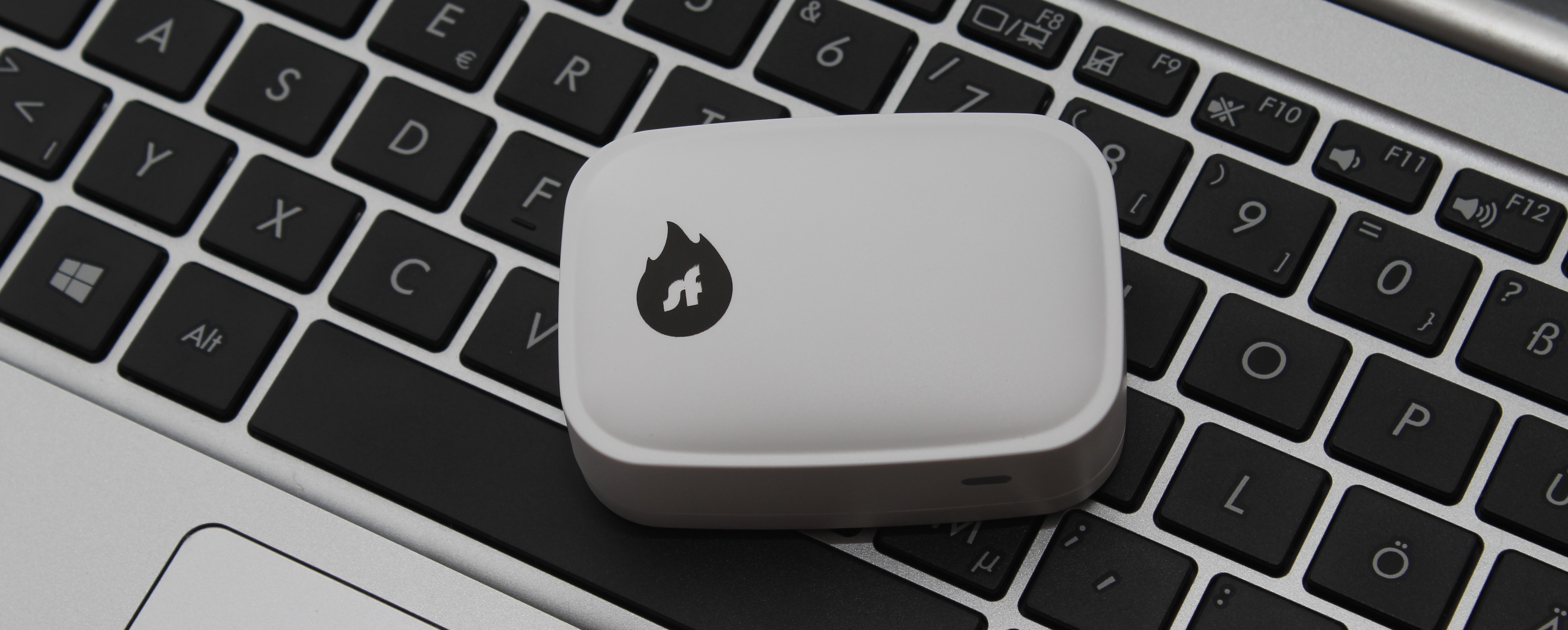
For users who simply want secure internet access without managing connectors or mesh networks, solutions like the Shellfire Box or our Shellfire VPN app can be a more practical choice. They focus on encryption and ease of use rather than network architecture.
Looking for reliable streaming access across all devices?
Our Shellfire Box is designed to provide consistent access to your favorite streaming platforms, which can be a helpful solution if you’re experiencing issues with other VPNs.
Ease of Use & Setup
| User aspect | Tailscale | Twingate |
|---|---|---|
| Configuration for end users | Install the app, sign in, and devices connect automatically with minimal input. | Users install the client and authenticate via SSO, typically after receiving an invitation. |
| Setup for admins | Create a tailnet, define ACLs, and optionally configure subnet routing or exit nodes. | Deploy connectors, define resources, integrate an identity provider, and configure access and device policies. |
| Common mistakes | Overly permissive ACLs or reliance on relay servers instead of direct connections. | Misconfigured connectors, overly strict posture checks, or complex policies that block legitimate users. |
From a usability standpoint, Tailscale is one of the easiest secure networking tools to adopt. Most users can be productive within minutes, and even administrative tasks are relatively straightforward once ACL concepts are understood.
Twingate demands more planning and technical involvement. Setting up connectors, identity providers, and access rules takes time, but the payoff is precise control over who can access each resource. For small teams, this can feel like overengineering. For larger organizations, it is often exactly what is required.
Limitations & Risks
| Issue | Tailscale | Twingate |
|---|---|---|
| Known weaknesses | Dependence on a central coordination service unless self-hosted; potential vendor lock-in. | Mandatory cloud controllers, closed-source platform, and higher operational complexity. |
| Misconfiguration risks | Overly broad ACLs or poorly configured subnet routes can expose internal services. | Incorrect posture policies or connector misconfiguration can either block access or expose resources. |
| Legal or ethical risks | May be misused to bypass organizational controls if not properly governed. | Extensive device monitoring requires careful handling to comply with privacy regulations. |
| Misuse scenarios | Routing all traffic through exit nodes unintentionally, creating performance or security issues. | Overly restrictive rules reducing productivity or overly permissive connectors increasing risk. |
Most of the risks associated with Tailscale stem from configuration choices rather than technical flaws. Careless ACL design or unmanaged devices can create unintended exposure.
Twingate reduces lateral movement by design, but its complexity introduces its own risks. Administrators must understand the platform well to strike the right balance between security and usability.
Best Use Cases: When to Choose Tailscale or Twingate
| Use case | Tailscale (⭐1–5) | Twingate (⭐1–5) |
|---|---|---|
| Everyday browsing | ⭐⭐⭐⭐⭐ | ⭐⭐⭐☆☆ |
| Streaming | ⭐⭐⭐⭐☆ | ⭐⭐⭐☆☆ |
| Torrenting / P2P | ⭐⭐⭐☆☆ | ⭐⭐⭐☆☆ |
| Gaming | ⭐⭐⭐⭐☆ | ⭐⭐⭐☆☆ |
| Remote work | ⭐⭐⭐⭐⭐ | ⭐⭐⭐⭐⭐ |
| High privacy / anonymity | ⭐⭐⭐☆☆ | ⭐⭐⭐☆☆ |
| Censorship-heavy countries | ⭐⭐⭐☆☆ | ⭐⭐⭐☆☆ |
Everyday Browsing & Streaming
Tailscale is generally more suitable for everyday browsing and casual streaming because it allows flexible routing through exit nodes. This makes it possible to send general internet traffic through a trusted device or server. That said, this setup still requires some manual configuration and is not primarily designed for media unblocking.
Twingate is not built with general browsing in mind. Its focus is controlled access to internal services, not routing arbitrary internet traffic. While it can technically proxy outbound traffic through a connector, doing so goes against its intended use.
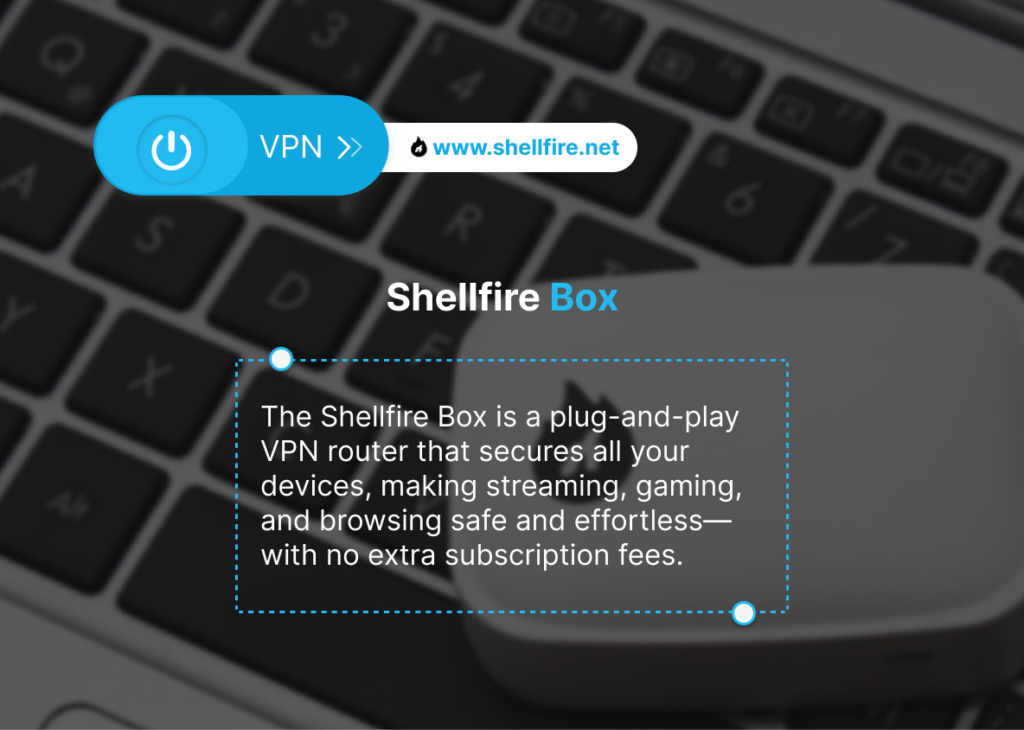
For users who mainly want secure browsing and access to streaming platforms without complexity, consumer-oriented solutions like the Shellfire VPN app or the Shellfire Box are often a more practical fit.
Torrenting / P2P
Both platforms can support P2P traffic at a technical level, but neither is designed for privacy-focused torrenting. With Tailscale, peers inside the network can see each other’s IP addresses. Twingate does not target P2P use cases and may impose policy or performance limitations.
If torrenting is a priority and privacy matters, a traditional VPN service with explicit P2P support and minimal logging is usually the safer choice.
Gaming & Latency-Sensitive Use
Tailscale performs well for gaming and other latency-sensitive workloads when direct peer-to-peer connections are available. WireGuard’s low overhead keeps ping times competitive, which is noticeable in multiplayer games or remote desktop sessions.
Twingate introduces additional hops through its controllers and connectors. While this is rarely an issue for business applications, it can add latency that gamers will notice.
For gamers who want minimal setup and predictable performance, a direct VPN connection or a plug-and-play device like the Shellfire Box can be a simpler alternative.
Remote Work & Business Use
This is where both solutions shine, but for different reasons. Tailscale is ideal for fast-moving teams that need secure access to development servers, internal tools, or shared environments without heavy administration. Its simplicity makes it especially attractive for startups and technical teams.
Twingate excels in organizations with strict security and compliance requirements. Features such as device posture checks, multifactor authentication, and detailed activity logs make it well suited for environments where access must be tightly controlled and auditable.
High-Privacy & Anonymity Needs
Neither Tailscale nor Twingate is designed to anonymize users. Both log metadata, and neither attempts to obscure traffic patterns. For activities where anonymity is essential, a privacy-focused VPN or an anonymity network remains necessary.
Use in Censorship-Heavy Countries
Tailscale can sometimes function in restrictive environments thanks to its ability to fall back to TCP-based relays. Twingate also uses TLS for control traffic, which can help it blend in with regular HTTPS connections.
That said, both are SaaS platforms that may be blocked at the provider level. In regions with heavy censorship, VPN services that offer traffic obfuscation or stealth modes often provide more reliable access. The Shellfire VPN app, for example, encapsulates VPN traffic in TLS, making it harder to distinguish from normal web traffic.
Conclusion
Tailscale is a WireGuard-based mesh VPN that focuses on simplicity and speed. It removes much of the friction traditionally associated with secure networking, making it an excellent choice for remote teams, homelabs, and DevOps workflows. Its strength lies in effortless connectivity and solid security without heavy configuration.
Twingate takes a zero-trust approach, offering granular access control, device posture checks, multifactor authentication, and detailed logging. It is well suited for organizations that need strict control over who can access specific resources and when. The trade-off is a more complex setup and reliance on a managed cloud platform.
Choose Tailscale if you want fast, intuitive mesh networking with minimal overhead. Choose Twingate if you need enterprise-grade access control and auditability. If your goal is simply to secure your internet connection without dealing with network architecture, solutions like the Shellfire Box or the Shellfire VPN app stand out as straightforward and reliable alternatives.
For more VPN comparisons, see our analyses of ExpressVPN vs NordVPN and ExpressVPN vs Surfshark.